ADVERTISEMENT
Which Home Insurance Is Best For Older Homes And Why?
Ever walked through an older home and thought, "They just don't build them like this anymore"? Thick plaster walls, original hardwood floors, intricate crown moulding—it's the charm that draws people in. But when it comes to protecting that kind of property, things get a bit trickier.
Older homes often come with higher risks, which directly affects your insurance options. The materials used, the age of the systems inside (such as plumbing and wiring), and even how the home was initially constructed all impact how insurers evaluate it. But does that mean getting the right policy is out of reach? Not at all. You need to know what to look for—and what to steer clear of.
What Makes Insuring An Older Home Different?
The age of a house affects far more than just its appearance. Many older homes were built to standards that no longer meet today's safety codes. Some have wiring systems that no longer meet electrical guidelines. Others may still have original plumbing that's prone to corrosion. Roofs on older homes can be more expensive to replace because the materials used are no longer common. Some insurance companies even charge extra or refuse to insure a home if specific issues haven't been upgraded.
The other factor? Replacement cost. If your 1920s home has custom woodwork or antique windows, it’ll cost far more to restore than a newer home with standard materials. Insurance needs to reflect that.
What Type Of Coverage Should You Prioritise?
Standard homeowners insurance usually covers the basics: your dwelling, personal property, liability, and temporary living expenses. But for an older property, that may not be enough. Here are some coverage types worth paying closer attention to:
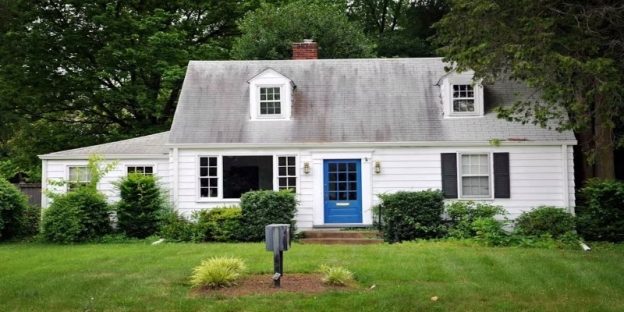
Guaranteed Or Extended Replacement Cost
This is especially important for older homes. If your home is destroyed, rebuilding it with similar quality materials could be much more expensive than the home’s market value. Guaranteed or extended replacement cost coverage helps cover the full rebuild cost, even if it exceeds your original policy limit.
Ordinance Or Law Coverage
Many older homes don't meet current building codes. If you ever need to rebuild or repair, you might be legally required to update those systems, and those upgrades can be costly. Ordinance or law coverage helps pay for those code-related upgrades.
Water Backup And Sump Overflow
Older pipes increase the likelihood of backup issues. Water damage resulting from backups or sump pump failures is not always covered under a standard policy, so consider adding this coverage.
Roof Surface Coverage
If your home has an older roof, especially one made of tile or wood shingles, ensure you understand how your policy handles roof repairs or replacement. Some insurers reduce coverage for roofs that are over 20 years old or only cover the actual cash value, rather than the full replacement cost.
Which Insurance Companies Are Best For Older Homes?
While there's no universal "best" company for every situation, some providers tend to be more friendly toward older properties. They offer better flexibility, more useful endorsements, or have a history of working with vintage homes.
Amica
Amica is known for its high customer satisfaction and flexible policy options. It allows add-ons that are valuable for older properties, such as increased coverage for rebuilding with similar materials and code upgrades.
Nationwide
This company offers a "Better Roof Replacement" add-on, which can be a good match for homes with older or custom roofs. They also have optional ordinance and law coverage.
Allstate
Allstate may offer discounts for homeowners who've updated their electrical or plumbing systems. Their extended replacement cost option can give peace of mind to older property owners.
Chubb
Chubb is a more high-end option, but it excels in insuring historic homes. If your property is listed on a historical register or has architectural features you want restored exactly as they were, Chubb might be worth the higher premium.
State Farm
If you've already made updates or plan to, State Farm may reward those improvements. They’re often competitive with premiums and offer a straightforward claims process.
Please note that rates and offerings vary significantly by state and property condition. What works in one region may not be ideal in another, so a bit of research goes a long way.
What Home Features Should You Update To Lower Insurance Costs?
While you may want to preserve the original charm, updating key systems can make a significant difference not only in safety but also in premiums.
Electrical Wiring
Replace knob-and-tube or aluminium wiring with modern copper wiring.

Plumbing
Replace galvanised steel or lead pipes with PEX or copper.
Roofing
Updating the roof with more fire-resistant and weatherproof materials can improve coverage options.
Heating
Insurance companies often look more favorably on homes with modern, professionally installed heating systems. Wood-burning stoves and oil tanks raise red flags.
Smoke Detectors And Security Systems
These are minor updates that demonstrate to the insurer your proactive approach to home safety.
Each improvement reduces the likelihood of damage, and that's what insurers want to see.
When Should You Consider A Home Inspection?
Some insurers will require a home inspection before offering coverage, especially if the house is over 40 years old. Even if they don't need it, getting one done can be a smart move.
Why? A professional inspection can help identify potential problem areas that you may not have been aware of. With this report in hand, you can choose to address issues in advance, which may make more insurers willing to cover your home or offer you a better rate.
Getting The Right Protection For Your Older Home
Older homes have a personality that newer builds can't match. But that character comes with responsibility, especially when it comes to protecting it with the right insurance.
Don't settle for basic coverage. Pay attention to the details: what systems are outdated, what features need restoring, and how much it would cost to rebuild the home to its original style. Look for insurers that not only allow flexibility but also understand the specific needs of older properties.
A thoughtful policy doesn't just cover the structure; it also encompasses the surrounding environment. It protects the craftsmanship, the legacy, and the years of history in every corner of your home. That kind of coverage is worth the search.